Thinking about a move to West Chester and wondering what your day would actually feel like? Picture a compact borough with brick-lined streets, a lively downtown you can stroll, and a steady rhythm shaped by a regional university and strong civic life. If you want walkability, a mix of dining and local shops, and easy access to the broader Philadelphia suburbs, West Chester may check a lot of boxes. In this guide, you’ll get a grounded look at daily life, home options, commutes, and practical tradeoffs so you can decide if it fits your goals. Let’s dive in.
West Chester at a glance
West Chester is the county seat of Chester County and centers on a historic, walkable downtown. You’ll see 18th and 19th century architecture, small-town civic buildings, and an active main-street scene. West Chester University adds student life, cultural programming, and a calendar that keeps weekdays and weekends feeling distinct.
You’ll meet students, young professionals, families, and downsizers who value an in-town lifestyle. Many residents choose West Chester for its compact footprint and the ability to walk to coffee, dinner, or errands. Just outside the borough core, neighborhoods transition to more traditional suburban streets and, farther out, the more rural parts of the county.
Everyday life: where you eat, shop, and unwind
Walkable downtown
Most of your day-to-day stops cluster near the center of town. You can run quick errands, grab lunch, or meet friends without getting in the car. Side streets are narrow and charming, and parking varies block to block, so you’ll learn the best times and spots as you settle in.
Dining and coffee
The food scene leans local. You’ll find cafes, casual spots, and places for a nicer night out. Warmer months bring more outdoor seating, which adds to the evening energy. If you like to try new menus and rotate your weekend routine, you’ll have plenty of options.
Shopping and services
Independent boutiques and specialty shops line the core blocks. For larger grocery runs and big-box errands, you’ll head to shopping centers on the borough’s edge or nearby suburbs. Banks, pharmacies, and everyday services are easy to reach.
Arts and events
Cultural life is shaped by university programming, community festivals, parades, and recurring downtown events. You can expect seasonal markets and public gatherings that bring more foot traffic to the core. If you enjoy music, lectures, or local arts, you’ll find a steady stream of options.
Parks and outdoor time
Within the borough, you’ll see pocket parks and playgrounds for a quick break or after-school play. Larger county parks and preserved open space are a short drive away, which expands your options for longer walks, biking, or weekend picnics. Some trail segments are nearby, and biking comfort varies by street.
Healthcare and essentials
You’ll find medical clinics and routine care options in and around the borough. A larger hospital presence serves Chester County in or near West Chester, and specialty providers are available across the region.
Homes and neighborhoods
In-town living
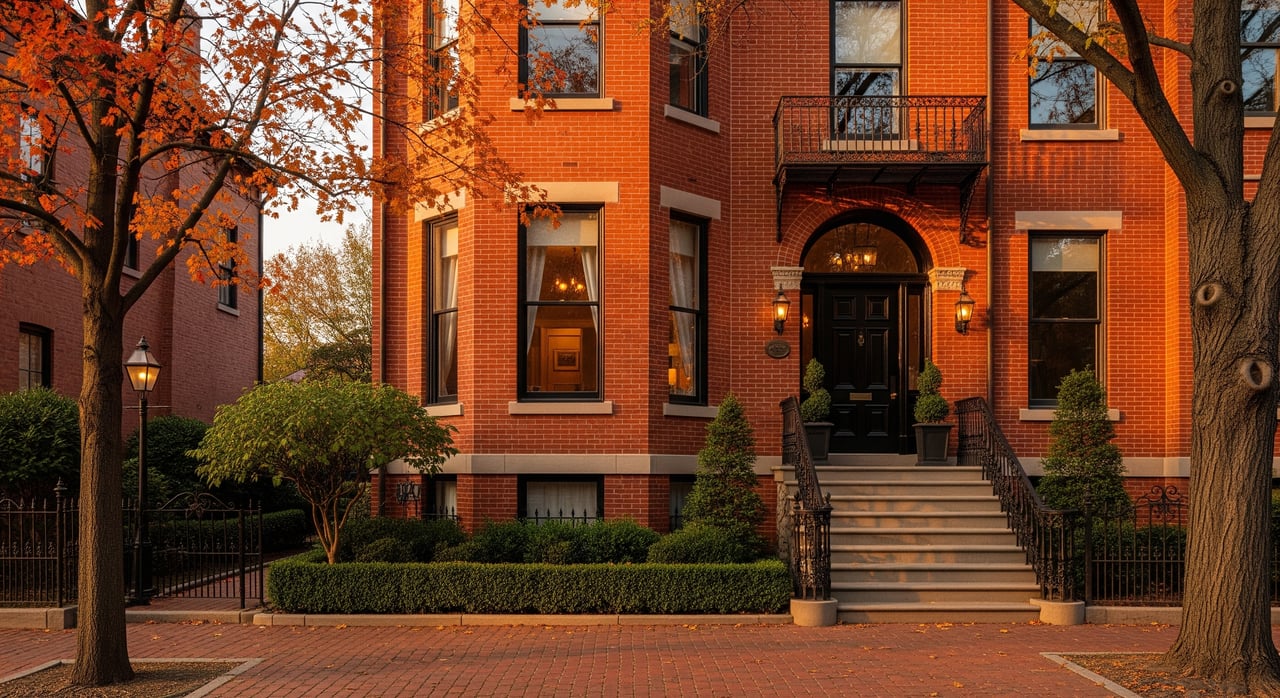
In the borough, housing often means historic rowhouses, townhouses, small single-family homes, and a range of rental apartments, especially near the university. Many homes show period details like brick facades and porches. Lots tend to be smaller, and some streets have limited parking. The tradeoff is simple: high walkability and character in exchange for less outdoor space.
Nearby suburban options
On the edges of town and in immediate suburbs, you’ll see larger single-family homes, newer subdivisions, and townhouse communities. Yards are bigger, garages and driveways are common, and most errands involve a short drive. If you want more space, this is where you’ll likely focus your search.
Buying vs. renting
There is a sizable rental market linked to the university and young professionals, which gives you options if you’re not ready to buy. If you plan to own, you’ll find more single-family opportunities just outside the core. Historically, buyers often pay a premium to live within walking distance of downtown. Market conditions change quickly, so you’ll want fresh data when you are ready to act.
Historic districts and renovations
Parts of West Chester fall under historic district rules. If you plan exterior changes, your project may require review. This is part of what preserves the borough’s character, but it can add time and planning to renovations. If you value historic charm and want to update a property, factor in approvals and timeframes early.
Getting around and commutes
Driving access
By car, you have direct routes to regional employment centers. Drives to King of Prussia, the Main Line, and Exton are typically in the tens of minutes, depending on traffic and time of day. Center City Philadelphia trips often land in the 30–60 minute range, with rush hour adding variability.
Public transit
Regular regional rail does not currently serve the borough directly. Local and regional bus service connects West Chester to nearby transit hubs, with routes and schedules that change over time. If you plan to rely on transit, review current schedules and transfer points before you set your daily routine.
Walking and biking
Downtown is highly walkable. Biking comfort varies by street, and some corridors are more vehicle-oriented, so it helps to scout your route. For many residents, daily errands and meals do not require a car, especially in the core.
Air and intercity travel
Philadelphia International Airport is your primary gateway for flights. Amtrak and regional rail connections in Center City Philadelphia cover most longer rail trips. Travel time depends on traffic and your route.
Schools and family life
Much of the borough and surrounding area is served by the West Chester Area School District. You will also find private schools and childcare centers in the region. For families, common questions include after-school programs, youth sports, parks, libraries, and registration timelines. Because offerings and availability change during the year, it is smart to check current options as your move approaches.
On weekends, downtown gets busier with events, dining, and pedestrian traffic. Many families live within walking distance of parks and make use of playgrounds and local green spaces. Some parts of downtown tilt more toward nightlife into the evening, so proximity and bedtime schedules can guide your housing choice.
A day in the life: a simple scenario
- Morning: You start with a short walk for coffee, then swing by a local market for a few staples. On a weekday, you might pass students heading to class and neighbors out with dogs. If you are driving to the office, you leave a few extra minutes to account for traffic.
- Midday: Lunch is an easy stroll from your home office or downtown workspace. If you have time, you stop by a small gallery or a campus arts event. Errands are quick because most are within a few blocks.
- Afternoon: You pick up kids from school or meet a friend for a park walk. If you are a commuter, you plan your return drive to miss the worst congestion.
- Evening: Dinner might be a patio table on a warm night or a quieter spot on a side street. Weekends bring more buzz with seasonal events, so you plan ahead if you prefer a low-key night.
Practical tradeoffs and tips
- Walkability vs. space: In-town homes offer charm and convenience, but smaller yards and tighter parking. Suburban neighborhoods offer more space and garages in exchange for more driving.
- Renovating historic homes: If your dream home is within a historic district, factor in design guidelines and approvals for exterior work. It protects neighborhood character and affects timelines.
- Market pace: Inventory, days on market, and pricing move with the cycle. When you are ready, build your plan around current data and a clear budget range.
- Safety and services: Crime and safety can vary block by block. Review official police reports and borough resources for the most current information.
- Taxes and utilities: Property taxes reflect county, borough, and school district rates. Confirm current millage and utility providers before you finalize a purchase decision.
Is West Chester a fit for you?
If you love a walkable core, a strong sense of place, and access to larger suburban amenities, West Chester is worth a serious look. If you want more land, privacy, or a larger home footprint, expand your search just outside the borough and you will find a range of single-family options and newer communities.
When you are ready, partner with an advisor who can help you weigh tradeoffs, access private opportunities, and move quickly when the right home appears. With staging expertise, Compass Concierge for pre-market improvements, and access to private-exclusive listings, you can position your sale or purchase for a smooth outcome and a clear plan.
If West Chester is on your shortlist, let’s map your next step. Reach out to Maria Doyle to compare neighborhoods, plan a private tour, and tailor a strategy that fits your goals.
FAQs
What is the day-to-day vibe in West Chester?
- Weekdays feel active with students, commuters, and local business; weekends pick up with dining, events, and more foot traffic in the core.
How walkable is the borough for errands and dining?
- The downtown core is highly walkable, with many errands, restaurants, and services a short stroll away.
Are there good options for parks and outdoor time nearby?
- Yes. You will find small parks and playgrounds in town, with larger county parks and preserved open spaces a short drive away.
What types of homes will I find in and around town?
- In-town you’ll see historic rowhouses, townhomes, small single-family homes, and rentals; nearby suburbs feature larger single-family homes and newer communities.
What are the commute options to King of Prussia or Philadelphia?
- Driving is straightforward, with trips to King of Prussia in the tens of minutes and Center City often in the 30–60 minute range, depending on traffic.
Does West Chester have direct regional rail service?
- No. Regular regional rail does not currently serve the borough directly, though local and regional buses connect to nearby hubs.
What should I know about historic districts and renovations?
- Parts of the borough have historic review for exterior changes, so plan for guidelines and approvals if you are updating a home.