Thinking about listing your Haverford home this season? Main Line buyers look for a rare mix of historic character and move-in-ready function. With a photo-first staging plan, you can highlight both and help your home stand out online and in person. This guide gives you room-by-room priorities, a simple timeline, and local cues that resonate with Haverford and nearby Main Line buyers. Let’s dive in.
Why staging matters in Haverford
Haverford and the Main Line are known for stone facades, center-hall plans, and gracious formal rooms alongside updated kitchens and comfortable family spaces. Buyers compare homes on charm and practical updates, so your staging should honor period details while showing modern flow. Proximity to SEPTA’s Paoli/Thorndale line, village centers like Ardmore and Bryn Mawr, and nearby schools shapes how buyers imagine daily life. Smart staging connects those dots and helps buyers see themselves in your home.
Prioritize first impressions
Start where buyers start: curb appeal and the entry. These areas set the tone and make your photos pop in search results. Keep choices simple, scaled to your home, and consistent with its architecture.
Entry and front hall
- Clear and edge the walkway, trim shrubs, and add a tidy planter or seasonal wreath. Clean the front door and polish hardware.
- Use a slim console or bench that fits the space. Keep surfaces minimal to show circulation.
- Bright, even lighting matters. Replace burnt bulbs and consider layered lighting to welcome buyers.
- For photos, shoot from the threshold to show depth and flow. Keep floors clear.
Living and dining rooms
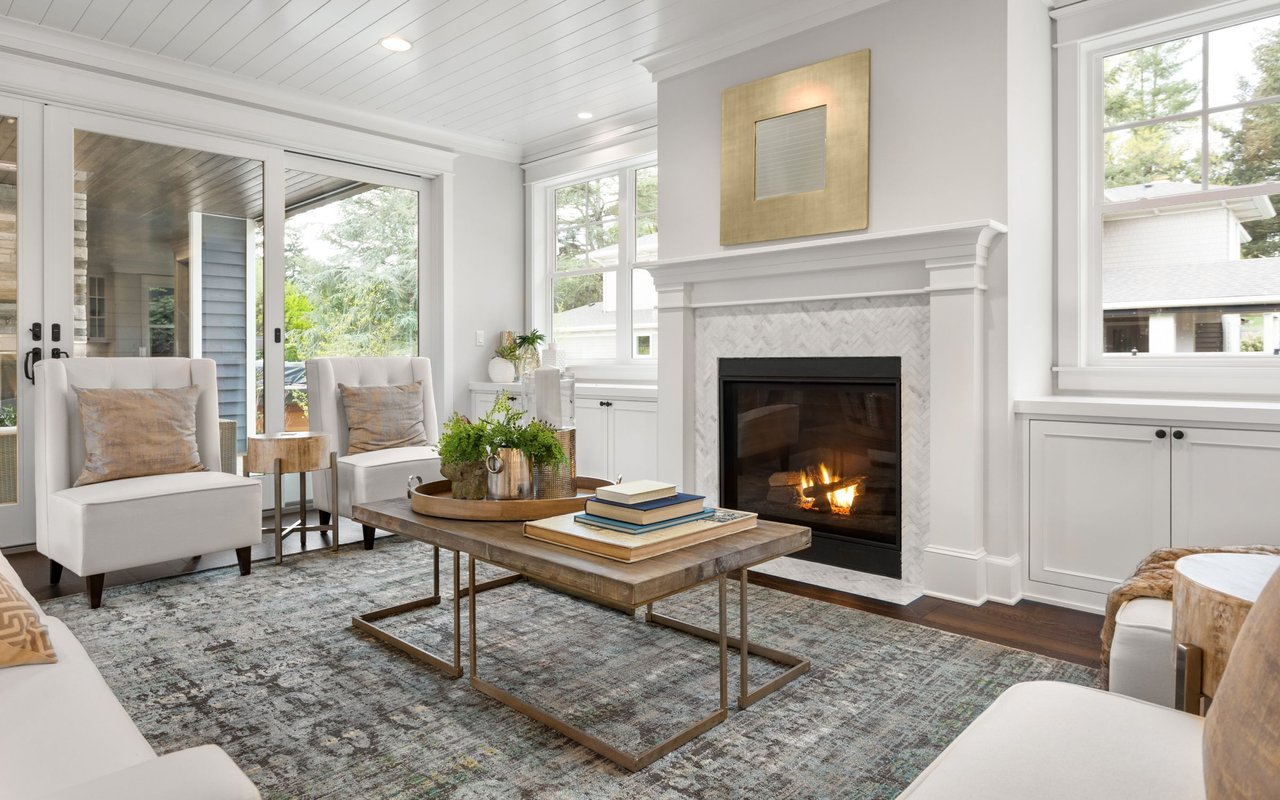
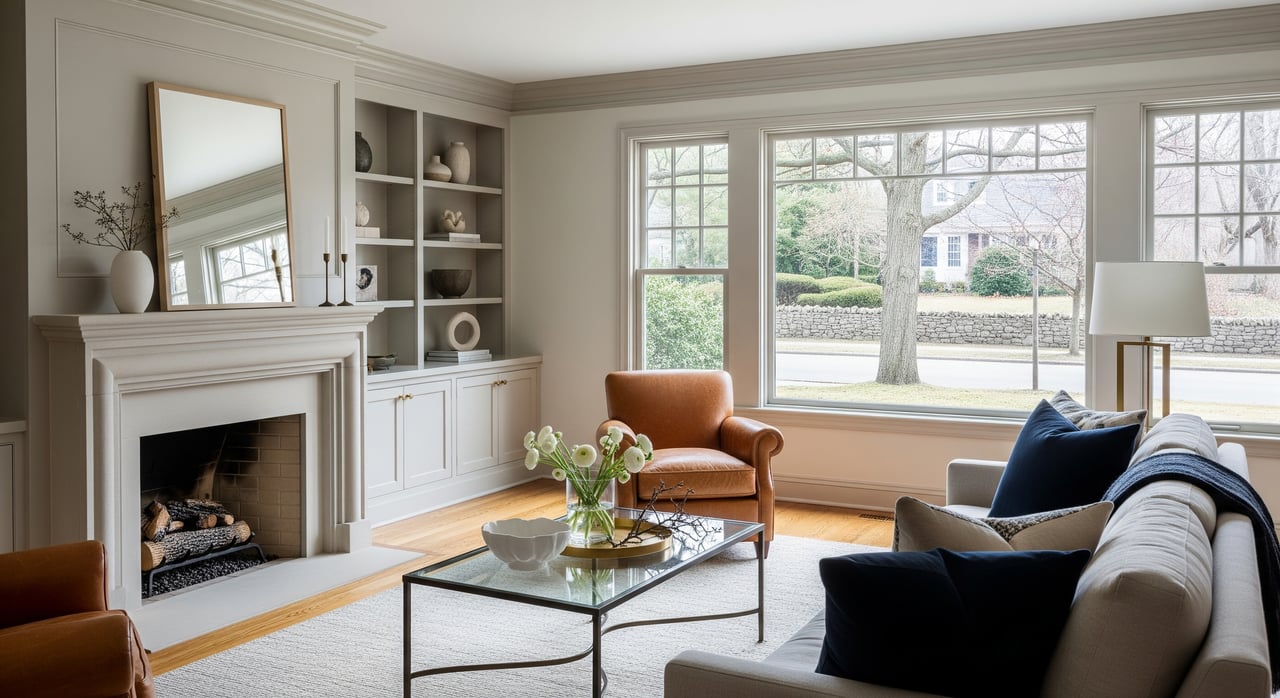
Main Line buyers study how rooms connect. Stage these spaces to highlight scale, sightlines, and focal points like fireplaces, mouldings, and built-ins.
- Choose furniture that fits the room. Oversized pieces can make spaces feel smaller.
- Create a conversation zone and keep paths open to adjacent rooms.
- Use a warm, neutral palette with texture in rugs and pillows. Add one or two curated art pieces and fresh greenery.
- In the dining room, set a simple table vignette to hint at entertaining without clutter.
- For photos, favor natural light and angles that show flow into the kitchen or family room.
Kitchen
Kitchens often decide the sale. Present a clean, functional workspace that blends classic elements with modern convenience.
- Clear counters. Store small appliances and personal items.
- Style one simple vignette like a cutting board with a bowl of lemons or a small plant.
- If cabinets are dated but you are not renovating, consider fresh paint and new knobs or pulls to signal care.
- Showcase storage: tidy the pantry and open shelves.
- For photos, capture island seating and sightlines to the eating area or family room.
Bathrooms
Bathrooms read best when they are spotless and uncluttered.
- Deep clean grout, glass, and fixtures. Replace worn shower curtains and mats.
- Remove personal products. Add fresh white towels and a small plant or candle.
- Check lighting and mirrors for a bright, crisp look.
- For photos, remove shower items and shoot flattering angles that show condition.
Primary and secondary bedrooms
Bedrooms should feel restful and versatile.
- In the primary suite, use neutral bedding, two matching bedside tables with lamps, and clear routes to closets. Remove extra furniture.
- Stage secondary bedrooms with twin beds or a simple desk to show flexibility for guests, a nursery, or a study.
- Avoid dark, heavy patterns that shrink the room in photos. Show storage when possible.
Home office and flex space
A functional office remains a priority for many buyers.
- Add a desk with task lighting and hide cables.
- If your buyer pool values fitness or play space, a flex room can be staged as a home gym or play area.
- Keep styling clean and tech-friendly to suggest easy connectivity.
Mudroom and laundry
Organization sells, especially for commuters and active households.
- Show hooks, cubbies, and a bench to demonstrate storage.
- Keep floors clear and hampers out of sight.
- Durable finishes and good lighting convey everyday function.
Basement, attic, and storage
Whether finished or not, these areas shape buyer confidence.
- Finished basements should show a clear use such as media, play, or hobby space.
- Unfinished areas should be clean, dry, and organized with labeled bins.
- Remove excess items so the footprint reads as larger and more useful.
Outdoor living
Outdoor spaces are a major asset on the Main Line.
- Define zones with seating, dining, and a simple outdoor rug.
- Refresh plantings with potted flowers or greenery. Maintain lawn edges and clean hardscapes.
- Check outdoor lighting for evening showings. String lights or lanterns can warm twilight photos.
- For photos, aim for golden hour and include a shot with doors open to show indoor-outdoor flow.
Photo-first staging checklist
Staging for photography and staging for live showings are related but not identical. Lead with the camera.
- Open all shades and curtains. Use daylight-balanced bulbs for a consistent look.
- Declutter personal items, visible cords, collectibles, and fridge magnets.
- Edit accessories to a few well-chosen pieces so rooms read spacious online.
- Capture multiple angles that show true proportions and how rooms connect. Avoid extreme wide-angle distortion.
- If you consider virtual staging for vacant rooms, ensure images reflect realistic proportions and follow local disclosure rules.
Timeline and scope
A simple plan keeps your prep on track and prevents last-minute stress.
3–6 weeks before listing
- Consult with your agent and, if needed, a local stager to identify repairs and cosmetic updates.
- Declutter and donate. Tackle small fixes like paint touch-ups, loose hardware, and squeaky doors.
- Schedule any targeted updates, such as cabinet paint or hardware changes.
1–2 weeks before photos
- Deep clean the entire home.
- Install staging touches and finalize furniture layout.
- Complete landscaping refresh and front entry detailing.
- Confirm photography timing to capture best light for interiors and exteriors.
After going live
- Maintain the staged look: daily tidying, fresh towels, and consistent lighting.
- Keep outdoor spaces swept and ready for showings.
- Leave rental furniture in place until you are under contract or as agreed in your plan.
Choose the right scope
- Partial staging: Focus on entry, main living areas, kitchen, and primary bedroom for high impact.
- Full staging: Best for vacant homes or competitive price points to present a complete lifestyle.
- Consultative staging: A written plan you implement yourself, ideal if you have time and alignment with target buyer tastes.
Budget and when to hire a pro
Staging costs vary by home size, number of rooms, whether the property is vacant, and the level of styling and accessories. Request local estimates to match your goals and timeline. Consider professional help when the home is vacant, the floor plan is unusual, the price point expects an elevated look, or you simply do not have the time to execute.
If you want a streamlined, high-presentation approach, ask about using Compass Concierge to fund and coordinate pre-listing improvements. This can cover targeted updates and presentation touches that help your listing shine while keeping your upfront costs manageable.
Local cues buyers notice
Your staging should highlight the lifestyle buyers imagine in Haverford and surrounding Main Line neighborhoods.
- Respect period architecture. Let stone, mantelwork, mouldings, and built-ins be visible and well lit.
- Subtly nod to convenience: a tidy mudroom with hooks, a backpack, or neatly stored gear suggests an easy commute via nearby rail or roads.
- Time your photos to the season. In spring and early fall, showcase gardens and mature trees. In winter, emphasize warm, well-lit interiors and clean exterior sightlines.
- If you plan exterior changes, review township guidance or any historic considerations before making permanent alterations.
Measure impact and plan next steps
Staging helps buyers visualize how rooms function, which can shorten days on market and improve showings-to-offer ratios. Results vary by price point and property, but the consistent theme is clarity: the clearer your layout and lifestyle story, the easier it is for buyers to say yes. Pair your staging with professional photography and steady showing readiness for best results.
Ready for a custom staging plan tailored to your home and timeline? Partner with a local expert who can coordinate trusted Main Line stagers, photographers, and Compass Concierge to present your home at its best. Connect with Maria Doyle to map out your next steps.
FAQs
Do I need staging if my Haverford house already looks nice?
- Yes. Even well-kept homes benefit from staging that clarifies layout, highlights focal points, and prepares rooms for photography and showings.
What should I do first to stage my Haverford home?
- Start with decluttering, small repairs, and a deep clean. These are the foundation for effective staging and crisp listing photos.
How long does staging take before listing photos?
- Plan 3–6 weeks for prep and fixes, then 1–2 weeks for deep cleaning, installation, and photography, depending on scope and contractor schedules.
Is virtual staging acceptable for Main Line listings?
- Virtual staging can help vacant rooms read better online, but it should reflect realistic proportions and be disclosed per listing rules.
Should I stage a vacant Haverford home differently?
- Yes. Vacant homes often benefit from full staging to show scale and function, especially in formal rooms, the kitchen, primary suite, and outdoor areas.
Which rooms deliver the biggest impact in Haverford?
- Focus on the entry, main living areas, kitchen, primary bedroom, and outdoor living. These drive first impressions and buyer decisions the most.