Thinking about a Main Line move but want a small, walkable town that still connects easily to Philadelphia? Malvern offers that balance with a tight-knit borough feel, historic charm, and practical commuting options. If you are weighing schools, daily convenience, and housing styles, this guide gives you a grounded picture of life in Malvern and how it compares to nearby towns. Let’s dive in.
Meet Malvern on the Main Line
Malvern is a compact Chester County borough about 25 miles west of Philadelphia. It covers roughly 1.3 square miles and had a population of about 3,400 at the 2020 census. The heart of town sits along King Street, where brick sidewalks, Victorian storefronts, and local businesses create a small Main Line downtown. You can get a quick feel for the borough and its community links on the official Malvern community page.
Malvern’s planning efforts focus on preserving the borough’s historic character while allowing careful, transit-oriented infill near the station. That is why you see a mix of older homes, small-lot properties, and newer apartment communities close to the train. The result is an easy-to-navigate center with everyday amenities a short walk from the platform.
Commute and connectivity
Living in Malvern gives you flexibility. You can ride the train, drive to regional highways, or connect to local shuttles for nearby employment centers.
Regional rail from Malvern Station
Malvern Station sits on SEPTA’s Paoli/Thorndale Line and is the westernmost station with seven-day service. Typical travel times to Center City range from about 35 to 50 minutes depending on whether you catch the Great Valley Flyer express or a local train. For planning, check the current SEPTA Paoli/Thorndale timetable and remember that schedules vary by time of day and day of week. The borough’s transit-oriented development study outlines these patterns and station-area plans in more detail in the Malvern TOD study.
Driving and regional highways
If you commute by car, you are close to US 30 (Lancaster Avenue), US 202, and connections to the Pennsylvania Turnpike/I‑76. Peak traffic can funnel through King Street and nearby intersections, so expect variable drive times rather than a fixed number. For a realistic weekday routine, build in a buffer for school and rush-hour periods. The Malvern TOD study also discusses local traffic and targeted intersection improvements.
Local transit and shuttles
You can tap local bus and shuttle options that serve employment hubs like Exton, West Chester, and King of Prussia. For the latest routes and links, use the borough’s transportation resources page and cross-check with SEPTA.
Housing options and neighborhood feel
Malvern offers a clear lifestyle choice: a walkable borough center with station-area apartments, and nearby township neighborhoods with more space.
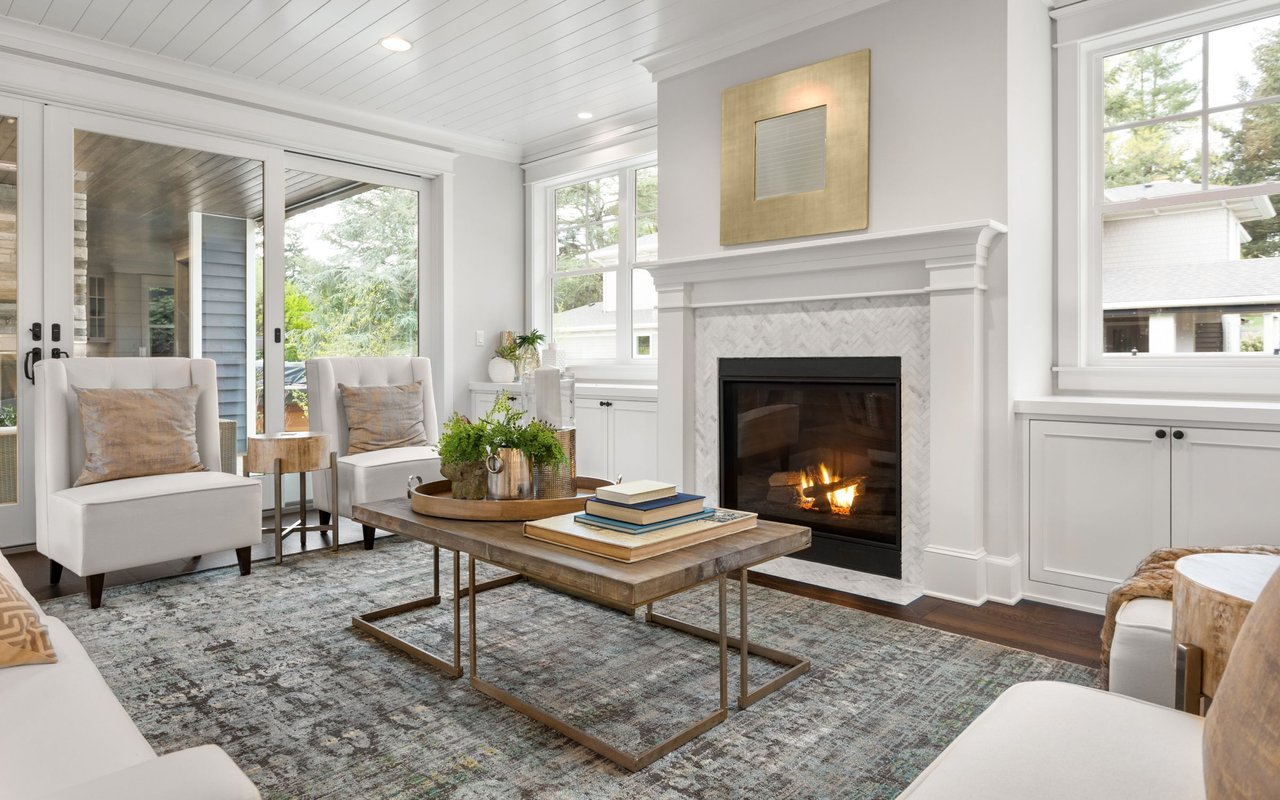
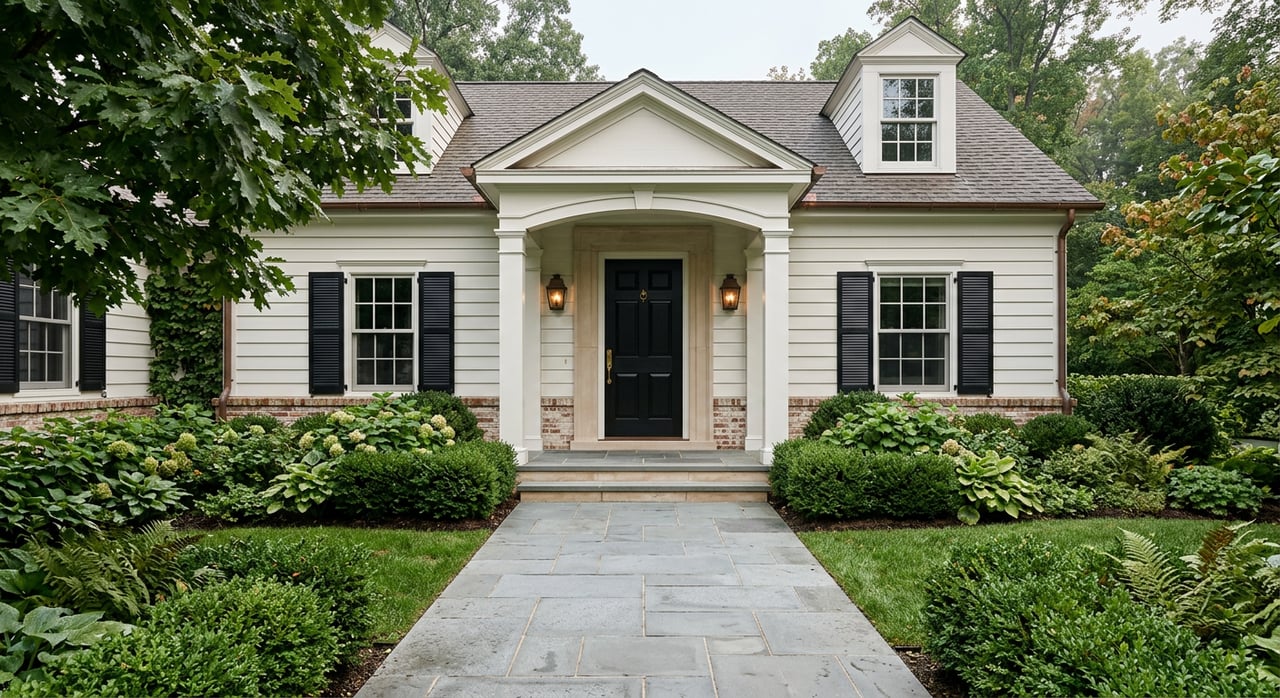
- In-town character. You will find older stone homes, small-lot single-family houses, and mixed-use buildings that keep the downtown scale intact. Borough planning materials emphasize preserving this historic fabric, which helps maintain Malvern’s small-town feel.
- Near the station. Modern apartments and luxury rentals cluster close to downtown and the train. Examples include Eastside Flats and communities like The Yards at Malvern, which also sits within easy reach of major retail and employment corridors. If you want to visualize the immediate area and access points, explore The Yards at Malvern map.
- Surrounding townships. Just outside the borough, places like Willistown and East Whiteland offer a broader mix of single-family subdivisions, larger lots, higher-end custom homes, and townhouse communities. These neighborhoods trade walkability for more space and a longer drive to the station.
If you prioritize a quick walk to coffee, local dining, and the train, the borough core and station-area rentals are a good fit. If you want a yard, a cul-de-sac, and room to spread out, you will likely focus on the surrounding townships and plan your commute accordingly.
Everyday life and amenities
Downtown King Street
King Street forms Malvern’s compact downtown spine with boutiques, cafes, and restaurants. It is ideal for short errands, weeknight dinners, and weekend browsing. For a current snapshot of shops, services, and local groups, start with the borough’s community page.
Parks and preserves
Conserved open space is close by. The Willistown area offers short hikes and scenic meadows, including Kirkwood Preserve and other conserved lands. Use the township’s directory to discover trailheads and facilities via Willistown parks and facilities. For a bigger day outdoors, Valley Forge National Historical Park is a short drive for longer trails and historic programs.
Healthcare and services
You have access to acute and specialty care within minutes. Paoli Hospital, part of Main Line Health, serves the community with a broad range of services. Learn more or locate departments through Paoli Hospital. Specialty rehabilitation care is also nearby.
Schools and registration
Malvern falls within the Great Valley School District. For enrollment, school locations, and program details, go directly to the district’s pages at Great Valley School District schools. For housing searches, your agent can help confirm addresses that feed into specific schools and guide you through the timing of registrations.
How Malvern compares nearby
- Malvern. A small, walkable borough with a visible downtown strip, SEPTA station, and immediate access to preserved green space. It suits buyers who want a quieter center with train access. The Malvern community page offers a concise overview.
- Paoli. A busier commercial and transportation node along Lancaster Avenue. If you value a larger retail spine and Amtrak access, you may compare Paoli to Malvern for convenience.
- Wayne and Devon. Classic Main Line towns with boutique shopping and established neighborhood centers. Devon’s equestrian heritage adds seasonal energy through the Devon Horse Show.
- Exton and King of Prussia. Regional shopping and employment hubs with big-box retail and corporate campuses. These areas are convenient for major shopping days and office commutes rather than a small-town downtown.
- West Chester. A larger, livelier county seat and college town with a robust dining scene. It offers a different rhythm compared with Malvern’s smaller-scale borough life.
Frame your choice by scale, vibe, and convenience. If you favor a compact walkable core and train access without a large town center, Malvern fits. If you want a bigger downtown scene, look to West Chester or Wayne. For commuters who prioritize Amtrak or larger retail corridors, Paoli and Exton are easy comparisons.
A practical relocation checklist
Use this quick list to organize your move and test daily life before you buy.
- Map your commute
- Ride the Paoli/Thorndale Line during your typical hours. Confirm times on the SEPTA timetable.
- If you drive, test routes to US 30, US 202, and I‑76 during peak hours.
- Choose your housing style
- Walkable downtown and station-area apartments if you want a car-light routine. Tour examples like Eastside Flats and review The Yards at Malvern map for orientation.
- Surrounding township neighborhoods if you want larger lots, more privacy, and a longer drive to the station.
- Verify school logistics
- Review boundaries, enrollment timing, and program links at Great Valley School District schools.
- Explore parks and weekends
- Sample nearby trails and preserves using Willistown parks and facilities. Plan a Valley Forge day for longer hikes.
- Check healthcare proximity
- Note drive times to Paoli Hospital and any specialists you use regularly.
- Run your weekly errands
- Stroll King Street for coffee, dinner, and local services. Then compare drive times to Exton and King of Prussia for big-box staples.
- Understand development context
- Read the borough’s TOD study to see how Malvern balances preservation with measured growth near transit.
Is Malvern right for you?
If you want a small-town feel with an easy regional rail link, Malvern delivers. You get a walkable center, quick access to preserved open space, and a range of housing that spans historic homes to newer station-area apartments. If you lean toward larger lots and quiet streets, nearby townships give you room to grow with a manageable connection to the train.
Ready to refine your plan, compare neighborhoods, and tour homes on your timeline? Connect with Maria Doyle for a private consultation and a tailored relocation strategy.
FAQs
How long is the train from Malvern to Center City Philadelphia?
- Typical rides are about 35 to 50 minutes depending on whether you catch an express Great Valley Flyer or a local; always confirm on the current SEPTA timetable.
Is Malvern walkable and are there rentals near the station?
- Yes. Downtown King Street is walkable, and newer apartment communities cluster near the station, including options like Eastside Flats.
Which school district serves Malvern, PA?
- Malvern is in the Great Valley School District; find school pages and enrollment information at Great Valley School District schools.
What is the feel of downtown Malvern compared to larger nearby towns?
- Malvern offers a compact, small-town downtown, while places like West Chester and Wayne have larger, livelier centers with more evening and weekend activity.
What parks and outdoor options are close to Malvern?
- You can explore preserves like Kirkwood Preserve in nearby Willistown and plan weekend hikes using Willistown parks and facilities; Valley Forge National Historical Park is a short drive.
Where is the nearest hospital to Malvern?
- Paoli Hospital is a principal community hospital serving Malvern and the Main Line; see services and directions via Paoli Hospital.