Getting your Wallingford or Swarthmore home ready to sell does not have to feel overwhelming. With a clear plan and the right support, you can boost buyer interest, shorten time on market, and protect your bottom line. In this guide, you will get a practical 4–8 week roadmap tailored to 19086 and 19081, including what local buyers notice, which updates pay off, and how to time your launch. Let’s dive in.
What local buyers notice
Wallingford and Swarthmore draw buyers who value convenient regional rail access, established neighborhoods, and classic architectural details. The Media/Wawa line has stops at both Swarthmore and Wallingford, providing reliable access to Philadelphia and the broader region. You can point to these transit options using the college’s visitor resources for the area’s stations and routes at the public transportation guide for Swarthmore.
District boundaries also matter to many buyers who filter searches by the Wallingford-Swarthmore School District. Keep your language factual and neutral, and align your listing copy with how the district defines its footprint. You can confirm district information on the Wallingford-Swarthmore School District overview.
In a small-inventory market, pricing and condition work together. Overpricing for current condition can lead to slower activity and price reductions. A clean, well-presented home that photographs beautifully is more likely to meet the market early.
Your 4–8 week prep plan
Weeks -8 to -6: Pre-planning
- Interview listing agents and review a comparative market analysis for your ZIP. Ask about expected time on market for your price tier and the agent’s plan for presentation, staging, and media.
- Set a budget and prioritize improvements in this order: safety and major systems, curb appeal, light cosmetic updates, then staging.
- Ask about programs that remove upfront cost. Compass Concierge can front expenses for staging, painting, landscaping, and similar services, with repayment at closing under program terms. Learn how it works on the Compass Concierge page.
- Consider a pre-listing inspection to spot repair needs early. A seller inspection typically costs a few hundred dollars and can reduce renegotiation risk and delays. See this overview of pre-listing inspections.
Weeks -6 to -4: Quick wins that move the needle
- Declutter and depersonalize so rooms read larger and buyers can picture their lives in the space. Remove extra furniture, clear surfaces, and pack away personal photos.
- Deep clean everything: windows, carpets, grout, lighting, and appliances. Address odors and pet traces.
- Handle small fixes like patching nail holes, replacing bulbs, tightening hardware, and lubricating sticky doors or windows.
- Elevate curb appeal: mow and edge, trim shrubs, add fresh mulch, and refresh the front door paint and hardware. Studies consistently show first impressions and simple updates improve buyer response, and NAR research on staging highlights the value of a well-presented home.
Weeks -4 to -2: Cosmetic updates and staging plan
- Paint in light, neutral tones to brighten photos and unify rooms. Focus on main living areas and high-traffic spaces.
- Refresh flooring where it counts. If hardwoods are worn, refinishing often photographs beautifully and signals care. Typical costs range by scope, so check current rates in this guide to hardwood refinishing costs.
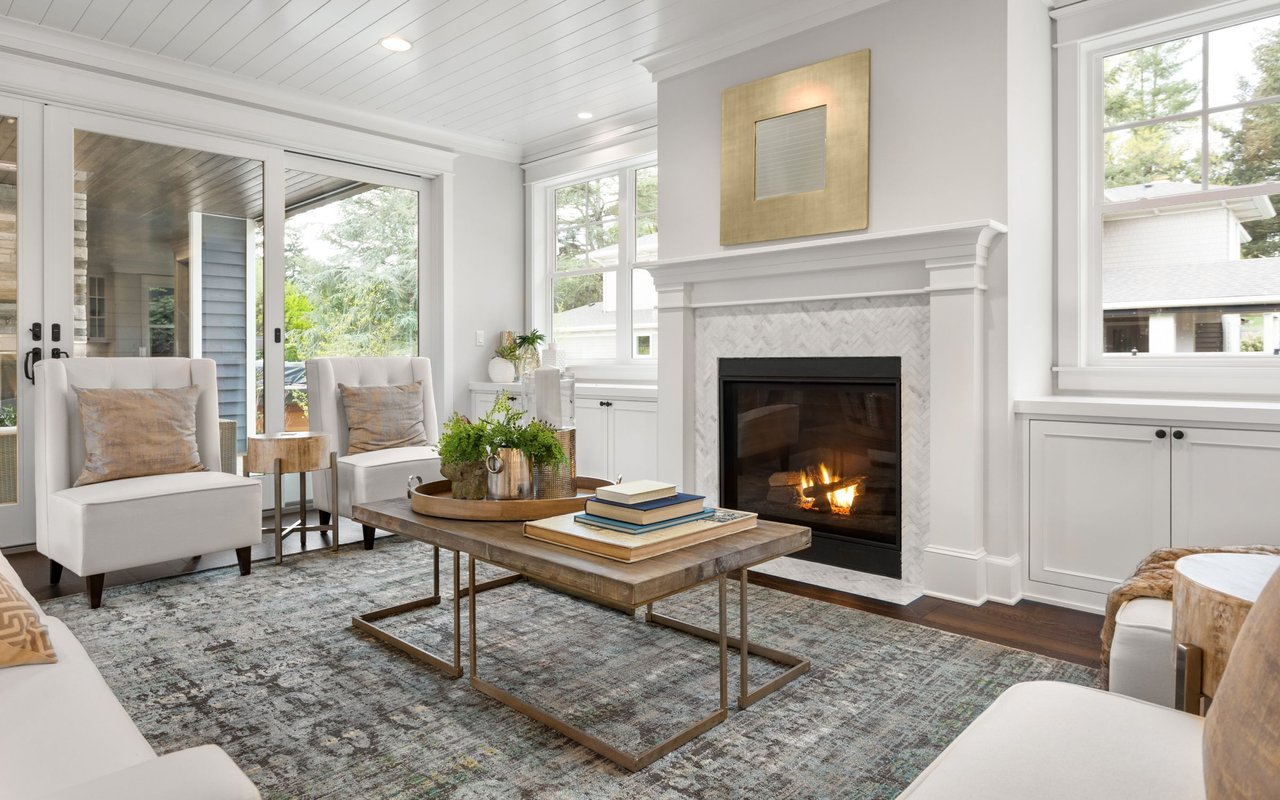
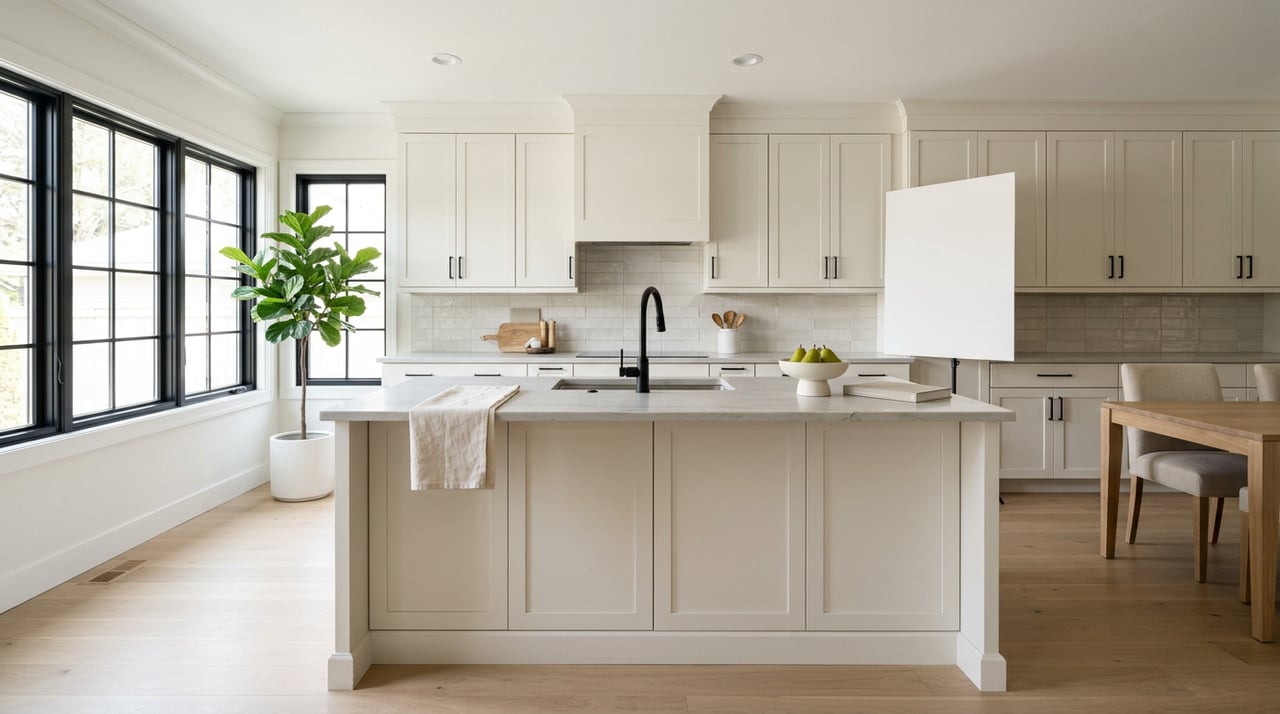
- Create a staging plan. Prioritize the living room, primary bedroom, and kitchen, since buyers focus heavily on these rooms. National ranges put common occupied-home staging and consultations starting around a few hundred dollars, with full vacant staging higher. See typical staging cost ranges and weigh where a consultation or partial staging can deliver the best lift.
- Remember the why. NAR’s staging data shows many agents see shorter time on market and a 1–10 percent uplift in offers for staged listings. Review the NAR staging report summary for useful context.
Weeks -2 to launch: Media, timing, and show-readiness
- Book professional photography once staging and landscaping are complete. Strong listing media often costs a few hundred dollars and pays for itself in engagement. See typical real estate photography pricing.
- Add a clear floor plan and, if appropriate for price and layout, a 3D or Matterport tour. These assets help remote and relocation buyers assess flow and space.
- Coordinate a smart launch. Where allowed, a short “Coming Soon” window can build interest before days-on-market start. Ask about your agent’s private-exclusive and Compass marketing workflows to match your timing and privacy preferences.
- Keep the home show-ready. Store bins in one spot, verify every light bulb works, and maintain fresh curb appeal for repeat showings.
Staging and photography that work here
Staging priorities
- Focus first on the living room, primary bedroom, and kitchen. If budget allows, stage the dining room and main bath next.
- For occupied homes, a consultation with accessory swaps and selective furniture edits can be high impact with modest cost.
- For vacant listings, partial staging that concentrates on key rooms can create lifestyle cues without furnishing every space.
- Use scale-appropriate pieces, neutral textiles, layered lighting, and simple greenery. The goal is calm, bright, and move-in ready.
Media package
- Photography: Order a full set that captures main gathering areas, the kitchen, primary suite, baths, and standout lifestyle shots like porches or patios. Consider twilight exteriors for curb appeal.
- Floor plan: Many buyers depend on layout to evaluate fit. Include a clear 2D plan in your listing links.
- 3D tour: Add for higher price points, unique floor plans, or when you expect out-of-town interest. According to pricing roundups, 3D and video add-ons are widely available at a reasonable premium. See photography and 3D pricing norms.
What to fix vs. what to stage
- Start with safety and major systems. Fix obvious leaks, electrical issues, loose railings, and any items likely to arise at inspection. These reduce friction and protect your contract.
- Tackle clearly visible wear. Re-caulk tubs, repair damaged trim, replace broken fixtures, and touch up paint. These are low-cost improvements that change how buyers perceive condition.
- Use staging and light cosmetic upgrades to elevate photos and first impressions. Fresh paint, lighting updates, and decluttering can out-perform heavier renovations on ROI.
- For larger projects, consult data before you invest. The annual Cost vs. Value Report shows minor kitchen updates often recoup a higher share of cost than major overhauls. Ask your agent to help weigh scope and timing for your specific price band.
Budget, ROI, and funding options
- Staging: Consultations and partial staging commonly range from a few hundred dollars to a few thousand, with full vacant staging higher. Review typical staging costs to set expectations.
- Media: Professional photos, floor plans, and 3D tours often start in the low hundreds. See photography pricing ranges to plan your package.
- Paint and floors: Interior painting for main areas and hardwood refinishing vary by size and scope. Use this guide to hardwood refinishing costs as a starting point, then get local quotes.
- ROI evidence: Many listing agents report that staging shortens time on market and that a meaningful share of staged homes see a 1–10 percent lift in offers. See the NAR staging findings. For remodel choices, compare your ideas to the Cost vs. Value data.
- Covering upfront costs: Ask about Compass Concierge. The program can fund approved pre-listing work with repayment at closing, subject to availability and terms in your location.
Local logistics and compliance
- Confirm your ZIP for comps and MLS filters. Wallingford is 19086 and Swarthmore is 19081. You can reference a Wallingford ZIP overview like this ZIP code lookup resource and verify Swarthmore details with your agent.
- Transit matters to many buyers. Note proximity to the Media/Wawa line’s Wallingford and Swarthmore stations and link to the public transportation overview for clarity.
- Permits: Cosmetic updates usually do not require permits, but structural, electrical, or major mechanical work may. Check with Nether Providence Township or Swarthmore Borough permitting before starting larger projects. Your agent can guide you to the correct office.
- Vendor selection: Request written bids for contractor work, confirm insurance, and ask for local references. For stagers and photographers, review entire MLS galleries, not just highlight photos, and confirm what each package includes.
Ready to list with confidence
The right plan helps your Wallingford or Swarthmore home shine the moment it hits the market. Prioritize clean, neutral presentation, invest in strong media, and time your launch for early momentum. If you want white-glove coordination and access to a streamlined prep process, reach out. Schedule Your Private Consultation with Maria Doyle to map your path from prep to sold.
FAQs
Should I stage my Wallingford or Swarthmore home before selling?
- Yes. NAR reporting shows staging often shortens time on market and many agents see a 1–10 percent uplift in offers for staged listings. Review the NAR staging summary for details.
What is a realistic 4–8 week prep timeline for a 19086 or 19081 listing?
- Weeks -8 to -6: hire your agent, set budget, consider a pre-listing inspection. Weeks -6 to -4: declutter, deep clean, quick fixes, curb appeal. Weeks -4 to -2: paint, flooring touch-ups, staging. Final two weeks: professional media, show-readiness, and launch.
Which fixes add the most value before listing in Wallingford or Swarthmore?
- Address safety and mechanical items first, then visible wear like caulk, paint, and lighting. Use staging and light cosmetic updates to lift photos and first impressions, and rely on the Cost vs. Value Report to decide on any larger projects.
Do I need professional photos and a 3D tour for a Swarthmore or Wallingford sale?
- Strong media increases online engagement and helps buyers evaluate layout. Professional photos, floor plans, and 3D tours are widely available and cost-effective. See pricing norms to plan your package.
How can I pay for prep work if I prefer to settle costs at closing?
- Ask about Compass Concierge. The program can fund approved pre-listing improvements with repayment at closing under its terms and local availability.