If you are torn between the ease of a brand-new home and the charm of a classic one, Malvern gives you a real choice. In this market, you are not just comparing floor plans or finishes. You are also weighing walkability, lot size, upkeep, and the kind of daily lifestyle you want. This guide will help you compare new construction and historic or older homes in Malvern so you can make a more confident move. Let’s dive in.
Why Malvern Makes This Decision Unique
Malvern stands out because it offers both a historic borough setting and an active pipeline of newer homes. The borough is known for its Victorian heritage, brick-paved walkways, classic street lamps, and a long-standing focus on preserving architectural character. Its Historical Commission was created in 1983, and local zoning updates support both preservation and adaptive reuse.
That means your decision in Malvern is about more than age of construction. You may be choosing between a home near the borough core with an established streetscape and train access, or a newer home in a planned community built around convenience and shared amenities.
Malvern Market Snapshot
Malvern remains a high-priced and competitive market, though the exact numbers vary by source. Recent market trackers show median sale or list figures ranging from the mid $600,000s to the high $800,000s. Reported time on market is also relatively short, with one tracker showing about 21 days.
For buyers, that means both new and older homes can attract strong interest. For sellers, it reinforces the value of smart pricing, polished presentation, and a clear understanding of what today’s buyers are prioritizing.
New Construction in Malvern
New construction in Malvern is still very much part of the conversation. Realtor.com currently shows 43 new construction homes for sale, which gives buyers a meaningful pool of options to compare.
A clear example is Anfield at Malvern, a planned community where homes are marketed around low-maintenance living and amenities. The Ashworth Collection starts at $730,000 and offers 3 to 4 bedrooms, 2 baths, about 2,434 to 2,556 square feet, and a 2-car garage. Lawn care and snow removal are included, and the community also features a clubhouse, pool, pickleball courts, walking trails, and a dog park.
Current listings there also show one of the main trade-offs with new construction in Malvern. A home like 173 Alroy Road is priced at $899,000 with 2,890 square feet, but it sits on about 0.07 acres. Other nearby new-construction homes are listed around $748,000 to $757,000 on roughly 2,000-square-foot lots.
What New Construction Often Offers
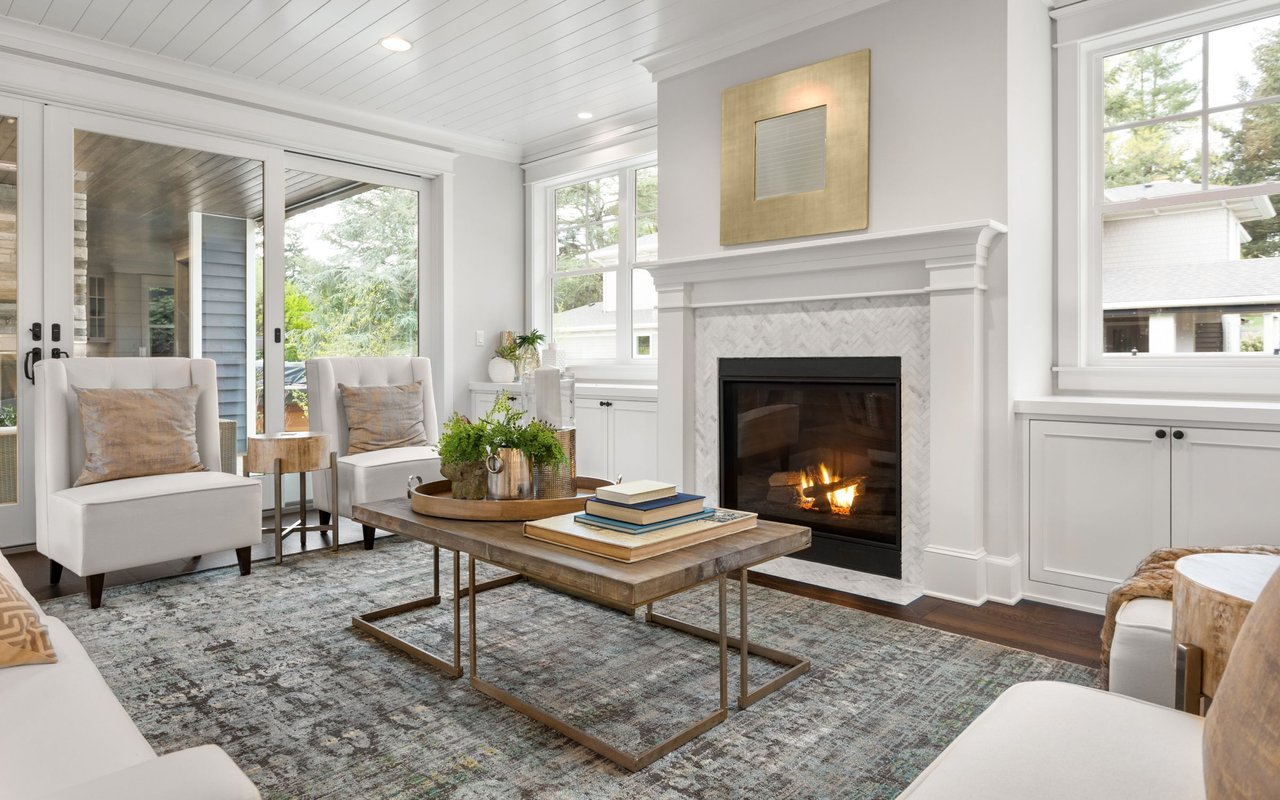
If you lean toward a newer home, the appeal is usually practical and predictable. In Malvern, new construction tends to offer:
- Newer systems and materials
- Lower exterior upkeep
- Shared amenities in planned communities
- More standardized layouts and finishes
- Energy-focused construction features
For many buyers, that package feels simple and efficient. You may spend less time worrying about immediate repairs and more time enjoying the space.
Historic and Older Homes in Malvern
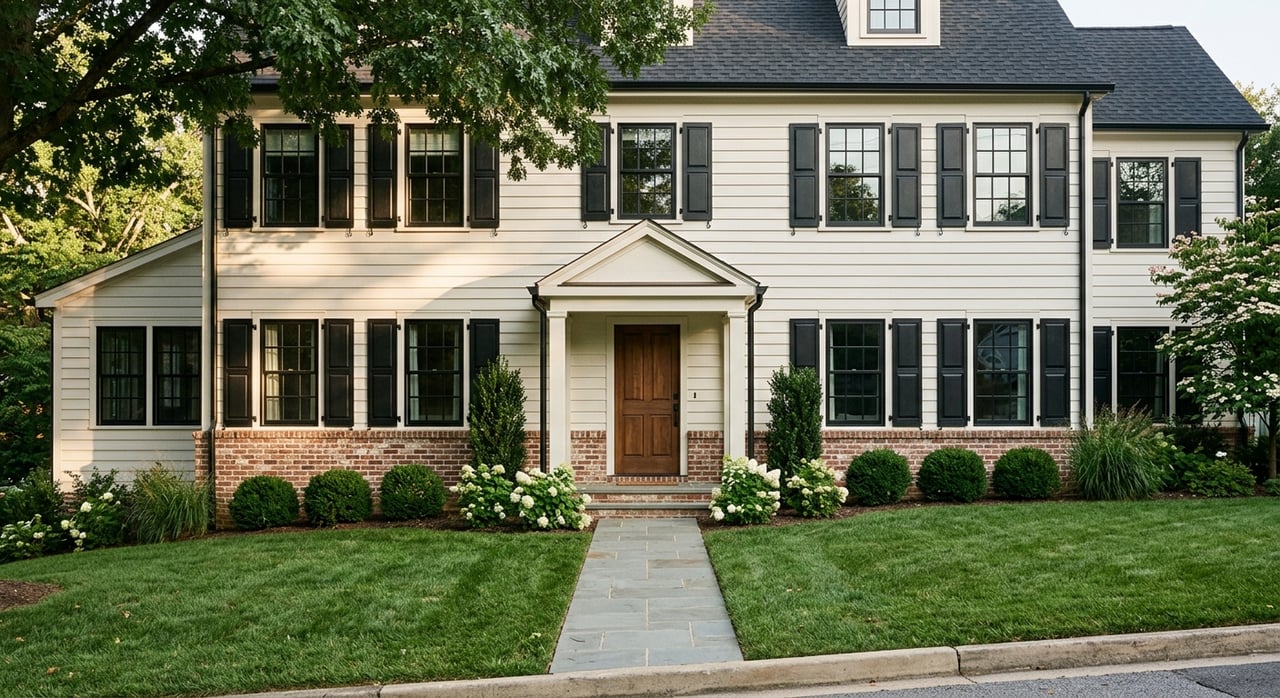
Older homes in Malvern often appeal for very different reasons. Near the borough core, they can offer charm, a more established setting, and easy access to downtown amenities and transit.
A current example is 108 W Broad Street, a home built in 1900 and listed at $589,000. It offers 1,800 square feet on a 3,564-square-foot lot and is described as one block from the Malvern Train Station and the shops and restaurants on King Street. That is a strong example of the walk-to-everything lifestyle many buyers want.
Another borough example, 108 Church Street, is described as a classic Victorian within walking distance of restaurants, shopping, and Regional Rail. It sold for $380,000 in 2021 and had 5 bedrooms, 1.5 baths, and 1,670 square feet. It also shows that older homes can vary widely in price, condition, and level of updating.
Older homes outside the tight borough core can also offer more land. For example, 116 Spring Road is listed at $525,000 with 4 bedrooms, 1.5 baths, 1,971 square feet, and a 0.36-acre lot. At the higher end, 631 Monument Avenue traded off market for about $1.4 million on roughly 0.6 acres, showing the range that exists within Malvern’s older housing stock.
What Older Homes Often Offer
If you are drawn to older or historic homes, you may value:
- Architectural detail and character
- More established streetscapes
- Proximity to the borough core
- Access to train and local shops on foot
- Potentially larger lots in some areas
In Malvern, that mix can be especially attractive if lifestyle and location matter as much to you as square footage.
Walkability Is a Major Divider
One of the clearest differences between these two home types in Malvern is how you live day to day. The borough has made walkability a planning priority, and local studies emphasize the value of walking, biking, and transit access. Survey feedback has also pushed for continued improvement in walkability and bike options.
That shows up in the housing choices available to you. Older homes near the borough core may place you close to the train station, shops, and restaurants. Planned communities, by contrast, often center on internal trails, open space, and private amenities rather than a denser street grid.
Neither option is automatically better. It depends on whether you picture yourself walking into town or enjoying a more self-contained community setting.
Lot Size Often Tells the Story
Lot size is another practical way to compare your options. Many new-construction homes in planned communities trade land for convenience, updated interiors, and amenities.
In Anfield, some homesites are around 0.07 acres or about 2,000 square feet. Compare that with older examples like 108 W Broad Street on a 3,564-square-foot lot or 116 Spring Road on 0.36 acres. If yard space, gardening, or a little more separation matters to you, older homes may open up more possibilities.
Energy Efficiency and Upkeep
New construction usually has the edge on energy efficiency. ENERGY STAR says certified new homes are built to deliver better performance and save at least 10% on annual utility bills. ENERGY STAR NextGen homes are described as at least 20% more energy efficient than homes built to typical code.
Older and historic homes can absolutely be improved, but they often require a more careful approach. The Department of Energy’s guide for historic homes notes that updates should protect historic materials and pay close attention to ventilation, moisture, dry rot, lead, and asbestos. It also notes that air sealing and insulation can often save 10% to 20% over pre-retrofit energy use, with even greater savings in leakier homes.
If you want the simplest path to lower maintenance and modern performance, new construction may feel easier. If you love the character of an older home, it helps to go in with a clear plan for maintenance and upgrades.
Predictability Versus Personality
At the heart of this decision, most Malvern buyers are choosing between predictability and personality. New construction often gives you a more turnkey experience, lower exterior upkeep, and a straightforward ownership model. Older homes often give you more architectural character, a stronger connection to the borough setting, and in some cases more land.
The right answer depends on your priorities. If convenience, newer systems, and shared amenities lead your list, a planned community may fit. If walkability, established charm, and a more classic streetscape matter most, an older Malvern home may be the better match.
How to Decide Which Fits You
If you are comparing both options, it helps to narrow the question to your daily life. Ask yourself:
- Do you want a walk-to-train or walk-to-town location?
- How important is low exterior maintenance?
- Do you want community amenities like a pool or clubhouse?
- Would you trade lot size for newer finishes and systems?
- Are you comfortable taking on updates in an older home?
- Do you care more about character or turnkey condition?
These questions can bring clarity fast. In a market like Malvern, your best fit is often the home type that supports how you want to live, not just the one that looks best online.
If you are weighing new construction against an older Malvern home, local guidance can make the comparison much easier. Maria Doyle offers a polished, high-touch approach for buyers who want clear advice, strong market insight, and a smooth path from search to closing.
FAQs
What is the main difference between new construction and historic homes in Malvern?
- In Malvern, new construction usually offers newer systems, shared amenities, and lower upkeep, while historic or older homes often offer more character, borough proximity, and a more established setting.
Are there still new construction homes available in Malvern?
- Yes. Realtor.com currently shows 43 new construction homes for sale in Malvern, so buyers still have a solid range of new-build options.
Do older Malvern homes usually have larger lots?
- Often, yes. Some planned-community homes sit on compact lots around 0.07 acres, while older homes in Malvern can range from small borough lots to properties around 0.36 acres or more.
Is walkability better in older parts of Malvern?
- It can be, especially near the borough core, where some homes are close to the train station, shops, and restaurants. Planned communities may offer trails and amenities, but not the same walk-to-town pattern.
Are new homes in Malvern more energy efficient?
- In general, yes. Research cited here shows certified new homes can save at least 10% on annual utility bills, while older homes may need targeted upgrades to improve efficiency.
Should you choose a new or older home in Malvern based on resale alone?
- The better approach is to look at your lifestyle, maintenance comfort, lot preferences, and location goals first, then compare how each home type fits those priorities in Malvern’s competitive market.