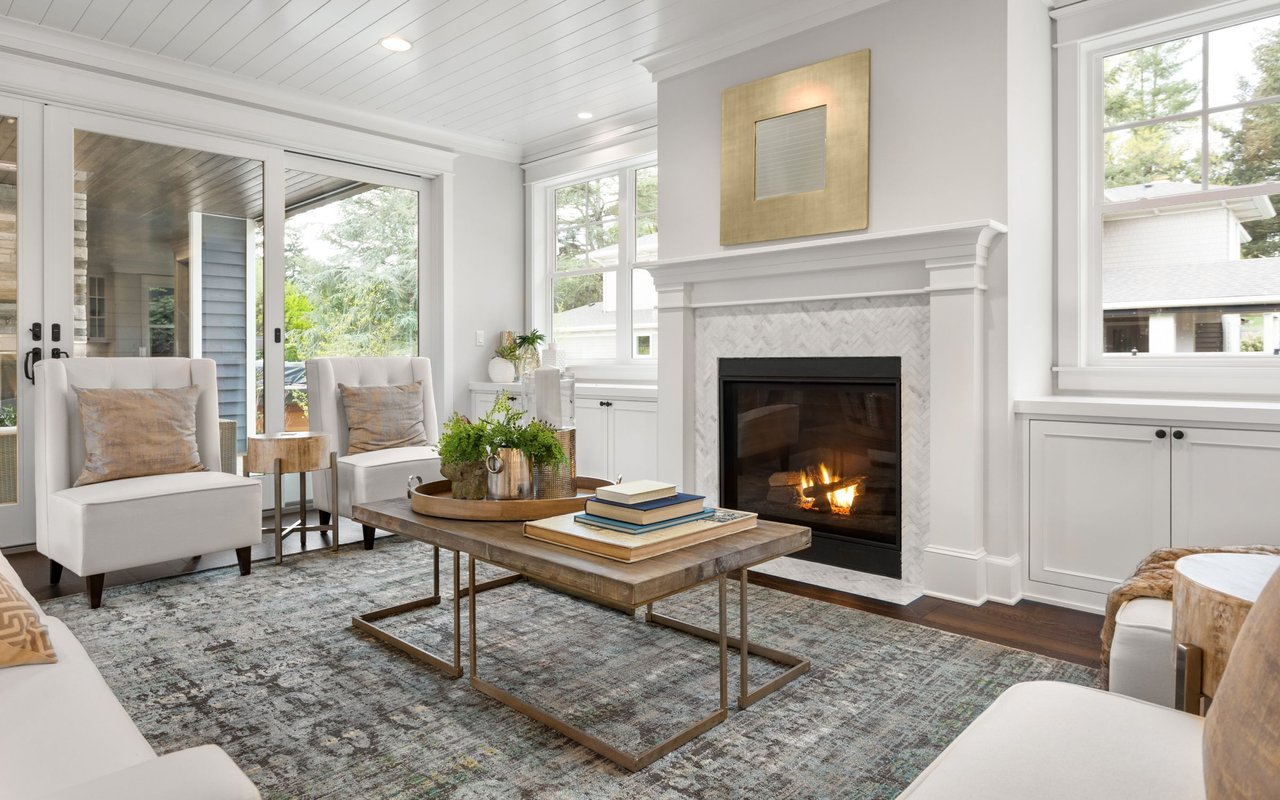
If you are trying to picture what day-to-day life really feels like in Wallingford and Swarthmore, you are not alone. For many buyers, the biggest question is not just where you will live, but how your weeks, weekends, and routines will actually look once you get there. These neighboring Delaware County communities offer a lifestyle shaped by parks, walkable local destinations, civic spaces, and easy rail access, and understanding those rhythms can help you decide which setting feels right for you. Let’s dive in.
Wallingford and Swarthmore at a glance
Wallingford and Swarthmore sit next to each other just southwest of Philadelphia, but they offer slightly different everyday experiences. Nether Providence Township describes Wallingford as part of a close-knit community of nearly 14,500 residents across 4.6 square miles. Swarthmore Borough describes itself as a tree-lined residential community with quiet neighborhoods, a downtown core of independent shops and services, and a strong volunteer-minded civic culture.
If you spend time in both places, that contrast becomes easier to see. Wallingford feels more residential and park-oriented, while Swarthmore feels more compact and centered around its downtown and college presence. Both communities share a neighborhood-scale pace that appeals to people looking for daily convenience without the feel of a major commercial corridor.
Daily pace in Wallingford
Wallingford’s rhythm is closely tied to green space, community institutions, and local routines. Nether Providence Township highlights parks, trails, public transportation, and nearby social, cultural, and athletic activities as part of everyday life. That creates a setting where many daily plans stay close to home.
You may find that the area feels organized around simple, repeatable patterns. A weekday can include school drop-offs, a stop at the library, a walk on a local trail, or time at a township park. Instead of a single downtown core, Wallingford’s lifestyle is spread across civic and outdoor spaces.
Parks shape the routine
One of Wallingford’s biggest lifestyle advantages is its network of parks and trails. Houston Park spans 45 acres and includes a walking trail and mature forest. Leiper Park sits along Crum Creek beside the historic Thomas Leiper House, while Furness Park is located behind the Wallingford Train Station.
Taylor Memorial Arboretum adds another outdoor option with a 30-acre sanctuary along Ridley Creek. The Leiper-Smedley Trail gives residents a paved multi-use route of more than two miles, linking Leiper House and Park to Smedley Park and the Community Arts Center. If you value easy access to outdoor space, Wallingford offers many ways to fit nature into an ordinary day.
Community anchors in Wallingford
Wallingford’s everyday life is also shaped by a few important local institutions. The Community Arts Center, founded in 1948, offers classes for all ages, exhibits, outreach, a gift shop, and frequent art and craft sales in a historic estate setting. It gives the area a steady cultural presence that goes beyond occasional events.
The Helen Kate Furness Free Library is another key part of local life. The library describes itself as a place for lifelong learning, discovery, and joy, and it serves as the dedicated library for Nether Providence Township and Rose Valley Borough. For many residents, that means the library is part of weekly routines, not just an occasional stop.
Family activities and local events
Nether Providence Township also supports a very active community calendar. Township offerings include Summer Camp and Family Fun Day, along with youth sports through the Nether Providence Athletic Association, including baseball and softball, soccer, basketball, and wrestling. These kinds of programs often help shape how people meet neighbors and build routines over time.
For buyers trying to imagine life beyond the front door, this matters. A place can feel very different when everyday options are built into the community itself. In Wallingford, that daily structure often comes from parks, arts, recreation, and public spaces.
Daily pace in Swarthmore
Swarthmore has a different kind of daily energy. The borough presents itself as a tree-lined residential community with quiet neighborhoods, but it also has a more visible town-center focus. Its downtown includes independent shops and services, and the borough encourages residents to spend time walking, shopping, eating, and using local civic spaces.
That gives Swarthmore a more centralized feel. If Wallingford’s lifestyle is distributed across green spaces and civic anchors, Swarthmore’s lifestyle gathers more clearly around its borough center. For some buyers, that compact layout is a major draw.
A more walkable town center feel
Swarthmore Town Center plays a big role in the borough’s social life. Its mission includes promoting educational, cultural, and charitable community events while strengthening the business district. The result is a calendar that helps make downtown life feel active and familiar.
Current recurring events include the Farmers Market, Amped Up Outdoor Concerts, Merchant Night Market, July 4 festivities, Home for the Holidays, and Swattie Send Off. These events give the borough a steady sense of rhythm and provide regular reasons to spend time in shared public spaces.
Parks and outdoor spaces in Swarthmore
Swarthmore also makes outdoor access part of everyday life. The borough highlights Little Crum Creek Park as its largest and most diverse park, Thatcher Park as a downtown tot lot, Centennial Park in the borough center, and Swarthmore Walks and Trails for all ages and abilities. The borough also notes that Swarthmore has been recognized as a Tree City USA for 30 years and is lined with mature trees.
That outdoor identity extends beyond neighborhood parks. The Crum Woods, next to the college, include roughly 3.5 miles of trails across more than 200 acres and are described by Swarthmore College stewardship materials as one of the last remaining forested areas in Delaware County. For residents, that means a larger nature experience is close at hand.
Small-town rituals and civic spaces
Swarthmore’s borough resources also point to simple local traditions that shape ordinary life. Residents and visitors can pick up the historic walking tour, visit Little Crum Creek Park, view art exhibits in Borough Hall, and see restored antique fire engines at the firehouse. These are small details, but together they help define the borough’s character.
If you are looking for a place where the town center feels like part of your daily pattern, Swarthmore stands out. Many of the routines here naturally pull you back toward downtown. That can create a strong sense of familiarity from one week to the next.
Schools and college influence local life
The Wallingford-Swarthmore School District is a major part of both communities’ identity. The district covers about seven square miles, serves the boroughs of Swarthmore, Rose Valley, and Rutledge and the township of Nether Providence, includes five schools, and serves more than 3,800 students. Strath Haven Middle School and Strath Haven High School are located in Wallingford.
Even if you are not moving because of school schedules, district boundaries and school-related routines still affect the flow of local life. Traffic patterns, activity calendars, recreation use, and community events often connect back to the district. For many households, schools are one of the main frameworks that shape the year.
Swarthmore College is another major local anchor. The college describes its campus as a 425-acre arboretum with gardens, rolling lawns, a creek, wooded hills, and hiking trails in the Crum Woods. Its presence adds both visual identity and daily activity to the borough and surrounding area.
Getting around and staying connected
One of the practical benefits of living in either community is rail access to the broader Philadelphia region. SEPTA’s Media/Wawa Line includes Wallingford Station at 141 E. Possum Hollow Rd. and Swarthmore Station at 2 S. Chester Rd. The line runs between Center City Philadelphia, Swarthmore, Media, and Wawa.
That matters because it helps balance local calm with regional connection. Your errands, park time, and neighborhood routines may stay close to home, while the train keeps Philadelphia and other nearby destinations accessible. For many buyers, that combination is a meaningful part of the appeal.
How Wallingford and Swarthmore compare
If you are deciding between the two, it can help to focus less on which place is better and more on which daily rhythm fits you best. While they are adjacent and closely connected, their personalities come through in how daily life is organized.
| Community | Everyday feel | Key lifestyle anchors |
|---|---|---|
| Wallingford | Residential, green, spread across parks and institutions | Houston Park, Leiper Park, Taylor Memorial Arboretum, Community Arts Center, Helen Kate Furness Free Library, Wallingford Station |
| Swarthmore | Compact, tree-lined, town-center focused | Downtown business district, Farmers Market, borough parks, Crum Woods, Swarthmore College, Swarthmore Station |
Wallingford may appeal to you if you want a more park-centered routine with strong civic institutions woven into daily life. Swarthmore may appeal to you if you want a more centralized downtown feel with recurring public events and a visible college-town influence. Both offer a grounded, neighborhood-scale lifestyle that feels connected to the outdoors and the wider region.
What this means for your home search
When you tour homes in Wallingford or Swarthmore, it helps to evaluate more than square footage and finishes. Think about where you would go on a Tuesday afternoon, how you would spend a Saturday morning, and what parts of the community would become part of your weekly routine. In places like these, lifestyle fit often comes from the patterns around the home as much as the home itself.
If you want help comparing communities with a clear local lens, Maria Doyle offers a polished, high-touch approach that helps you move with confidence and clarity.
FAQs
What is everyday life like in Wallingford, PA?
- Wallingford feels residential and park-oriented, with daily life shaped by local green spaces, trails, community institutions, public transportation, and nearby social and athletic activities.
What is everyday life like in Swarthmore, PA?
- Swarthmore feels compact and town-center focused, with independent shops, civic spaces, borough parks, recurring public events, and the presence of Swarthmore College shaping daily routines.
What parks are part of daily life in Wallingford and Swarthmore?
- Wallingford includes Houston Park, Leiper Park, Furness Park, Taylor Memorial Arboretum, and the Leiper-Smedley Trail, while Swarthmore highlights Little Crum Creek Park, Thatcher Park, Centennial Park, Swarthmore Walks and Trails, and nearby Crum Woods.
How do Wallingford and Swarthmore connect to Philadelphia?
- Both communities are served by SEPTA’s Media/Wawa Line, with stations in Wallingford and Swarthmore that connect the area to Center City Philadelphia, Media, and Wawa.
What role does the Wallingford-Swarthmore School District play in local life?
- The district is a major part of community identity, serving more than 3,800 students across five schools in Swarthmore, Rose Valley, Rutledge, and Nether Providence Township.
How should you compare Wallingford and Swarthmore when buying a home?
- Focus on daily rhythm: Wallingford offers a more park- and institution-centered lifestyle, while Swarthmore offers a more compact downtown-and-college setting with recurring community events.