If you are drawn to historic homes, Media and Rose Valley offer a kind of character that is hard to recreate. From late Victorian houses and bungalows in Media to the Arts and Crafts legacy of Rose Valley, these properties can offer original details, lasting materials, and a strong sense of place. They also come with different maintenance needs and, in some cases, local review requirements. If you are thinking about buying one, it helps to know what you are looking at before you fall in love with the front porch. Let’s dive in.
Why historic homes stand out here
Media and Rose Valley each have a distinct architectural identity. Media, incorporated in 1850, is known for housing that includes late Victorian houses, bungalows, and eclectic historic buildings, according to official borough materials. Rose Valley’s historic district, approved in 2010, includes 123 resources and is widely recognized as an Arts and Crafts community with signature use of stone and tile.
That means when you shop in these areas, you are not just comparing square footage or finishes. You are often evaluating craftsmanship, original materials, and how well a home has been preserved over time. In many cases, the features that make a home so appealing are the same features that require more thoughtful upkeep.
Know what "historic" really means
One of the most important questions to ask is whether a home is simply historic in character or subject to local regulation. According to the National Park Service FAQs on National Register listings, being listed on the National Register by itself does not place federal restrictions on private owners.
Local rules can be very different. In Pennsylvania, municipalities may regulate changes in local historic districts through a HARB process and a Certificate of Appropriateness. In Media, the borough has a Historic Resources Overlay District, and owners in designated areas are encouraged to contact HARB before exterior rehabilitation, restoration, additions, or demolition, and to obtain a Certificate of Appropriateness when required, as outlined in Media Borough materials.
For buyers, this is a due diligence issue, not a small detail. Before you plan exterior updates, confirm whether the property is only historically notable, listed on the National Register, or also covered by a local overlay or district ordinance.
Architectural styles you may see
Media homes often mix classic early styles
In Media, buyers are likely to encounter late Victorian houses and bungalows. That often overlaps with broader Pennsylvania patterns like Queen Anne and Colonial Revival homes. Queen Anne homes typically have asymmetrical facades, steep roofs, cross gables, porches, towers, and decorative spindlework, while Colonial Revival homes are usually more symmetrical with dormers, shutters, and classical door surrounds.
You may also notice heavier masonry homes or buildings with arched openings and substantial massing. The Pennsylvania Historical & Museum Commission description of Romanesque Revival notes the style’s strong masonry presence and round arches, which can help explain some of Media’s more substantial historic architecture.
Rose Valley is deeply tied to Arts and Crafts design
Rose Valley has a more specific architectural identity. The borough’s historic district is closely tied to the Arts and Crafts movement, and SAH Archipedia, as cited by Rose Valley Borough, connects the community to founder William L. Price and a tradition of stone and tile construction.
That history matters when you walk through a house. In this setting, hand-crafted woodwork, porches, masonry, and the relationship between the home and its landscape can be important character-defining features. The PHMC overview of Bungalow and Craftsman houses highlights common traits like low horizontal lines, wide eaves, exposed rafters, and sturdy porch supports.
Why original details matter
Historic features are not just visual extras. Roof shape, original windows, porch structure, masonry, and trim often help define the historic character of the house. If those features are replaced without care, the home may lose part of what makes it special.
That does not mean every old detail must stay untouched forever. It means you should understand which features are original, which have already been changed, and which updates should be approached carefully for both long-term value and compatibility.
What to check before you buy
A beautiful historic home can still have costly deferred maintenance. Delaware County’s maintenance guide makes a clear point: moisture is the most dangerous enemy of a house because it can lead to rot, corrosion, cracking, fungi, and structural damage. That is why water management should be at the top of your inspection list.
During your evaluation, pay close attention to:
- Roof leaks or worn roof coverings
- Deteriorated flashing
- Clogged or misaligned gutters and downspouts
- Chimney issues
- Cracked mortar or soft mortar joints
- Spalling brick or damaged masonry
- Sticking, rotting, or poorly performing windows
- Failing porch elements
- Settlement cracks
- Signs of water intrusion near the foundation
The Delaware County historic home maintenance guide recommends looking at these systems on a regular basis and using a consistent maintenance plan rather than occasional spot checks.
Maintenance habits that protect value
Owning a historic home usually means staying ahead of problems instead of reacting to them. Delaware County recommends inspecting a historic house every spring and fall, with recurring checks of the roof, gutters, flashings, chimneys, masonry, windows, and doors on a 6- to 12-month cycle.
That routine can help you catch small issues before they become major repairs. It is also a practical way to protect the features that make the home unique. A loose downspout or failed flashing detail may seem minor at first, but moisture problems can travel quickly in older materials.
Repair first is usually the right mindset
One of the best rules for historic homes is simple: repair before replacement. This is especially true for masonry and windows.
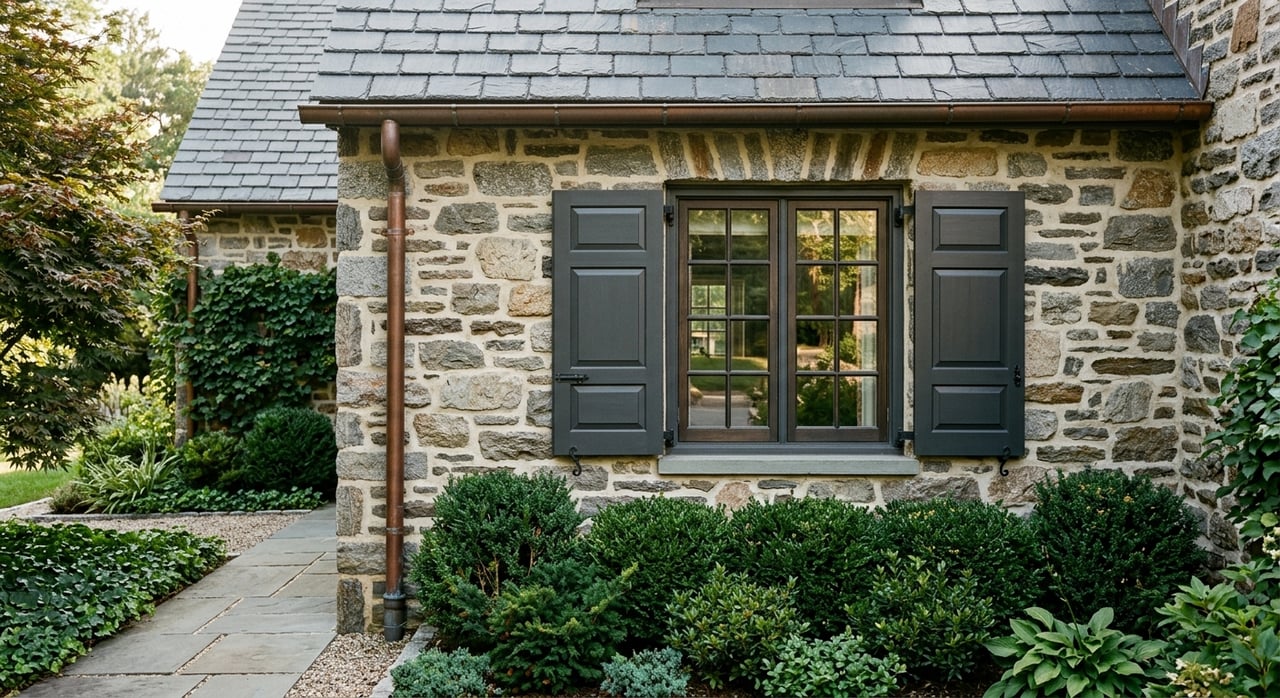
For masonry, Delaware County advises against sandblasting, high-pressure washing, and waterproof coatings. Repointing should generally be done by a mason with experience in historic masonry, and replacement mortar should closely match the original material. The county guidance and National Park Service preservation standards both support a careful, compatible approach.
Windows are another area where quick replacements can create regret. According to the county guide, replacing historic windows is usually not the most economical choice. Repairing original windows and adding storm windows can often deliver strong energy performance with a shorter payback than full replacement.
Plan your budget beyond closing day
If you are buying a historic home, it helps to budget for regular care from the start. Delaware County frames historic houses as important investments that need ongoing attention, and it warns that fast, inappropriate fixes can lead to greater damage and higher future costs.
A practical ownership budget may include:
- Seasonal inspections
- Gutter and drainage work
- Masonry repointing over time
- Window repair and weatherization
- Porch and trim upkeep
- Specialist trades for historic materials
This does not mean every historic home is a money pit. It means you should buy with clear expectations and a long-term plan.
Understand permits and approvals
Before starting exterior work, always confirm whether local review applies. In Media, exterior work visible from a public way may trigger HARB review and a Certificate of Appropriateness depending on the property and location, according to a Media Borough notice on historic review.
In Rose Valley, it is smart to confirm whether any local municipal overlay applies in addition to National Register status. That distinction matters because National Register recognition alone does not restrict private owners, but local ordinances can.
What about tax credits?
Many buyers assume historic status comes with homeowner tax credits, but that is usually not the case here. The Pennsylvania Historical & Museum Commission states that there are no historic tax credit programs available to private homeowners in Pennsylvania. The federal 20 percent rehabilitation credit is generally limited to income-producing properties.
If you are buying an owner-occupied home, it is better to plan around maintenance and compatibility than to count on tax incentives. If the property may later become income-producing, the incentive picture could be different.
Keep good records from day one
Historic ownership gets easier when you stay organized. Delaware County recommends keeping photo records, noting prior repairs, preserving permit history, and staying connected to local preservation resources.
If you are serious about a specific property, local sources can also help you understand its history and context. Delaware County Planning offers information on historic resource surveys and inventories, and local institutions like the Media Historic Archives Commission and the Rose Valley Museum & Historical Society may help with house histories or old photos.
A smart way to evaluate a historic home
When you tour a historic property in Media or Rose Valley, try to look past finishes and staging for a moment. Ask yourself a few practical questions:
- What architectural style is this house expressing?
- Which features appear original and character-defining?
- What looks cosmetic, and what may be structural?
- Is the property simply historic in identity, or also regulated locally?
- What maintenance work should you expect in the first one to three years?
Those questions can help you make a decision with both heart and clarity. The right historic home can be deeply rewarding to own, but it is best to go in with a full understanding of the responsibilities that come with its charm.
If you are considering a historic home in Media or Rose Valley, working with an agent who understands local housing stock, due diligence, and long-term property value can make the process much smoother. For tailored guidance as you search, negotiate, and evaluate the right fit, connect with Maria Doyle.
FAQs
What does historic designation mean for a home in Media?
- A home in Media may be historically significant without being heavily regulated, but properties in the borough’s historic overlay or designated areas may require HARB review and a Certificate of Appropriateness for certain exterior work.
What is special about historic homes in Rose Valley?
- Rose Valley is known for its Arts and Crafts heritage, with many homes featuring stone, tile, handcrafted details, porches, and landscape relationships that help define the community’s historic character.
What should buyers inspect first in an older historic home?
- Buyers should focus first on water-related risks such as roof leaks, flashing failures, gutter issues, masonry deterioration, window condition, porch stability, and signs of moisture or settlement near the foundation.
Can you replace windows in a historic home in Delaware County?
- Window replacement may be possible depending on local rules, but preservation guidance generally recommends repairing historic windows first and matching original design and materials when replacement is necessary.
Do owner-occupied historic homes in Pennsylvania qualify for tax credits?
- In general, no. Pennsylvania does not offer historic tax credit programs for private homeowners, and the federal rehabilitation credit is typically limited to income-producing properties.
How often should you maintain a historic home in Media or Rose Valley?
- Delaware County recommends inspecting historic homes every spring and fall, with recurring checks of roofs, gutters, flashings, chimneys, masonry, windows, and doors on a regular 6- to 12-month schedule.